
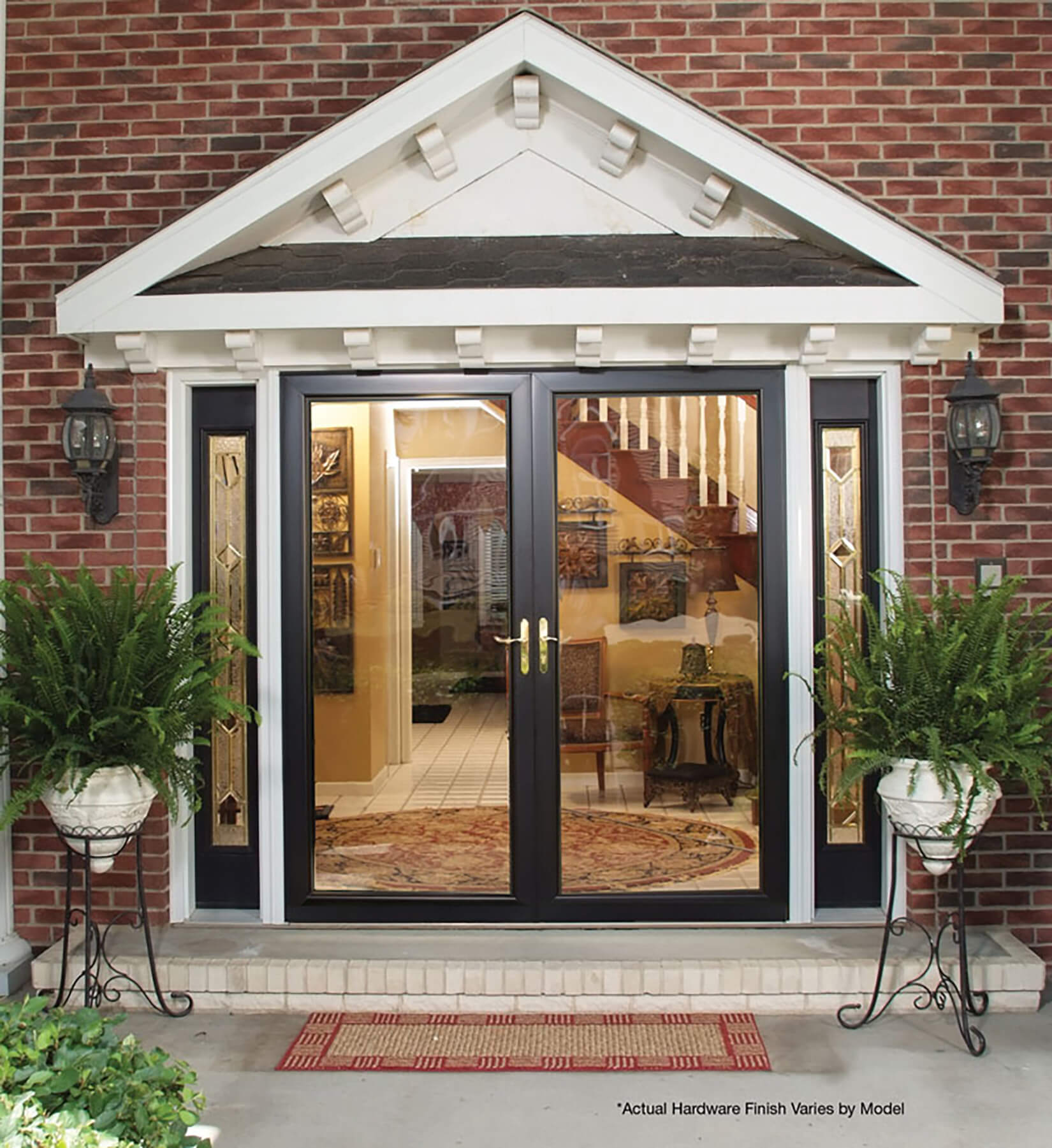
In Colorado, energy efficiency isn’t just about comfort. It’s about managing real seasonal swings. Cold winters, warm afternoons, and steady wind exposure all put pressure on your home’s ability to maintain a consistent indoor temperature.
One upgrade that often gets overlooked is the addition of an energy-efficient storm door. When properly selected and installed, storm doors can help reduce drafts, support insulation, and improve how your home handles heating and cooling.
What Makes a Storm Door Energy Efficient?
Not all storm doors offer the same level of performance. Energy-efficient storm doors are designed to reduce heat transfer and limit airflow at one of the most vulnerable points of the home: the entryway.
Key features include:
- Insulated glass that helps reduce temperature exchange
- Low-E (low emissivity) coatings that reflect heat while allowing natural light
- Tight weather seals that block drafts and air leakage
- Durable frames that maintain alignment over time
The difference between standard and energy-efficient storm doors often comes down to how well they seal and how effectively they manage heat transfer.
A standard storm door may provide basic protection from the elements. An energy-efficient option is designed to actively improve insulation and performance, especially important in storm doors for cold climates like Colorado.
How Storm Doors Help Reduce Energy Costs
Storm doors don’t directly lower energy bills on their own. They improve the conditions that allow your heating and cooling systems to operate more efficiently.
Preventing Drafts
Entryways are common sources of air leakage. A properly fitted storm door creates an additional barrier that helps reduce cold air entering the home and warm air escaping.
Improving Insulation at Entry Points
Storm doors act as a buffer zone between indoor and outdoor conditions. This extra layer can help stabilize the temperature around your main entry door, reducing strain on your HVAC system.
Supporting HVAC Efficiency
When your home holds temperature more consistently, your heating and cooling systems don’t need to cycle as often. Over time, this can contribute to more stable energy use, particularly during peak winter and summer months.
For homeowners searching for energy-saving entry doors, storm doors are often one of the most practical upgrades.
Why Energy Efficiency Matters in Colorado Homes
Colorado’s climate creates a unique set of challenges that make energy efficiency especially important.
Cold Winters and Temperature Swings
Temperatures can drop quickly, especially overnight. Maintaining consistent indoor warmth requires strong insulation and minimal air leakage.
Wind Exposure and Air Leakage
From the foothills near Golden to open areas in Parker and Castle Rock, wind is a constant factor. Even small gaps around doors can lead to noticeable drafts.
Seasonal Energy Cost Impact
Heating costs tend to rise in winter, while cooling costs increase during sunny summer months. Reducing energy loss at the entryway helps moderate those seasonal spikes.
Storm doors designed for Colorado conditions, especially the best storm doors for winter, help address these challenges without requiring major home upgrades.
How Much Can You Actually Save?
It’s important to keep expectations realistic.
Storm doors can contribute to energy savings, but they are not a single solution that dramatically cuts energy bills overnight. The actual impact depends on several factors:
- Age of the home
- Existing insulation levels
- Condition of the primary entry door
- Quality of the storm door itself
- Accuracy of installation
In older homes with noticeable drafts, the difference may be more noticeable. In newer homes, improvements may be more incremental.
The key takeaway: Storm doors help improve efficiency. They support savings over time rather than delivering immediate, dramatic reductions.
When an Energy-Efficient Storm Door Is Worth It
Not every home requires an upgrade, but there are clear signs that a storm door may be a worthwhile investment.
Older Homes
Homes built before modern insulation standards often benefit the most from improved sealing at entry points.
Drafty Entryways
If you feel cold air near your front door during winter, a storm door can help reduce that airflow.
High Energy Bills
If your heating or cooling costs seem higher than expected, improving insulation at the entryway may help stabilize usage.
Wind-Exposed Homes
Homes in open areas or near foothills often experience stronger wind pressure, with some gusts up to 90mph, making storm doors a practical addition.
In these situations, insulated storm doors can provide noticeable improvements in comfort.
Choosing the Right Storm Door for Maximum Efficiency
Not all storm doors perform equally. Selecting the right one involves balancing materials, design, and proper fit.
Materials and Glass Options
Look for:
- Durable frames designed for Colorado weather
- Low-E glass for temperature control
- Insulated glass panels for improved performance
These features are especially important when selecting storm doors for cold climates.
Proper Installation Matters
Even the best storm door won’t perform well if it’s not installed correctly. Alignment, sealing, and hardware setup all play a role in efficiency.
Custom vs Standard Sizing
Custom-sized storm doors provide a tighter fit, which helps reduce air leakage. Standard sizes may leave small gaps that affect performance.
A properly sized and installed storm door is far more effective than one that’s simply added without precision.
Professional Installation vs DIY: What Matters for Efficiency
Installation plays a larger role in energy efficiency than many homeowners expect.
Air Sealing and Fit Are Critical
Even small gaps can allow airflow, reducing the effectiveness of the door. Proper installation ensures tight seals and correct alignment.
Why Poor Installation Hurts Performance
A poorly installed storm door may:
- Allow drafts
- Rattle during wind
- Wear out hardware more quickly
- Reduce overall efficiency
DIY installation can work in some cases, but for high-wind and high-variation climates like Colorado, professional installation often delivers more consistent results.
A Practical Upgrade for Long-Term Comfort
Energy-efficient storm doors are not a quick fix. They’re a practical improvement that supports long-term comfort and performance.
They help reduce drafts, protect your entryway, and improve how your home handles Colorado’s changing conditions. For many homeowners, it’s a straightforward upgrade that fits into a broader approach to energy efficiency.
Thinking About an Energy-Efficient Storm Door?
If your home experiences drafts, temperature fluctuations, or high wind exposure, it may be worth taking a closer look at your entryway.
At Denver Storm Door, we focus exclusively on storm doors and security doors, helping homeowners choose options that are properly sized, correctly installed, and built for Colorado’s climate.
If you’re exploring ways to improve comfort and efficiency, we’re happy to walk you through your options and make the process straightforward from start to finish. Contact us today to get started.